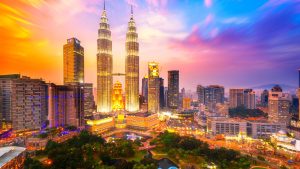
South Korea Digital Nomad Visa Guide
Visa Name: Digital Nomad (Workcation) Visa
Launch Year: 2024
Max Stay: 1 year (renewable once)
Summary for HR & Compliance Teams
South Korea launched its Digital Nomad Visa, also called the Workcation Visa, as a pilot programme in January 2024. It allows foreign employees to reside in South Korea while working remotely for non-Korean employers. Freelancers are not eligible, this visa is restricted to employees of established companies.
Applicants must prove a minimum annual income of USD $65,000, which makes this one of the most selective digital nomad visas globally. Processing includes an embassy interview, and the application typically takes around 15 days. As a new pilot scheme, details may evolve, and employers should monitor official updates.
From a compliance perspective, South Korea’s 183-day tax residency rule applies. Anyone exceeding this threshold becomes liable for South Korean taxes, and employers may face permanent establishment (PE) exposure if employees engage in Korea-facing activities.
Key Compliance Considerations
| Factor | Detail |
|---|---|
| Can your employee work for a local company? | No, only for foreign employers |
| Local income tax payable? | Yes, if stay exceeds 183 days |
| Corporate tax / PE risk? | Medium, if role involves the Korean market |
| Social security obligations? | None for foreign-paid employees |
| Employment classification risk? | Moderate |
| Permanent establishment (PE) trigger | Possible if revenue activities link to Korea |
Visa Details
| Category | Detail |
|---|---|
| Eligibility | Employees only (no freelancers) |
| Minimum income requirement | USD $65,000 annually |
| Visa cost | About USD $200 |
| Max stay | 1 year (renewable once) |
| Processing time | Around 15 days |
| Application difficulty | Moderate, requires embassy interview |
| Renewable? | Yes, once |
| Dependents allowed? | Not specified |
| Work for local company? | No |
| Application link | MOJ Immigration Korea |
| Gov info link | South Korea MOFA |
Local Living Snapshot
| Metric | Value |
|---|---|
| Time zone | GMT +9 |
| Cost of living | $$ |
| Wi-Fi speed | Around 161 Mbps |
| Popular hubs | Seoul, Busan, Jeju |
| Lifestyle | Fast-paced urban centres, excellent tech infrastructure, strong cultural appeal |
Why South Korea Works for Employers
Strong global reputation for digital infrastructure
Attractive location for employees who want both cultural and professional experiences
Fast processing time of around 15 days
Structured framework with clear eligibility rules
Risk Summary
High minimum income threshold of USD $65,000 restricts accessibility
Freelancers are excluded, employees only
PE and tax risks if stay exceeds 183 days
Programme is a pilot, so details could change
At a Glance: South Korea DNV Summary
| Field | Value |
|---|---|
| Visa in Place | Yes |
| Visa Name | Digital Nomad (Workcation) Visa |
| Launch Year | 2024 |
| Max Stay | 1 year (renewable once) |
| Visa Fee | About USD $200 |
| Income Requirement | USD $65,000 per year |
| Tax on Foreign Income | Yes, if stay exceeds 183 days |
| Social Security | No |
| Work for Local Employer? | No |
| Processing Time | Around 15 days |
| Application Type | Embassy interview |
| Difficulty | Moderate |
| Eligible Roles | Employees only |
| Wi-Fi Speed | Around 161 Mbps |
| Cost of Living | $$ |
| Residency Path | No |

Donal Brady is Co-Founder and Head of Product at Work From Anywhere, a platform to help companies execute a successful workation policy. He has deep expertise and experience in the world of remote work having spent nearly twenty years working in finance leadership roles with global multinationals like PwC, before entering the world of global mobility with International SOS and then pivoting into the software industry with Accel-KKR backed Smart Communications. He walks the walk with Work From Anywhere, speaking 5 languages, having travelled to 65+ countries and worked in 10.